Autumn does a lot of the work for you. The light goes early, the temperature drops, and people start behaving slightly differently — stockpiling, battening down, finding excuses to stay in. That shift is useful in a short story because it hands your characters a deadline without you having to invent one.
What follows are ten prompts built around that change of season. Each is a situation rather than a plot, so you can take it wherever your story wants to go. Use them as written, or let one lead you somewhere else entirely.
Five Prompts Rooted in Weather and Place
- The Last Warm Day. A character keeps one small ritual for the last warm day of the year: a swim, a pint on the same bench, a walk home without a coat. This year, someone is already there, waiting. Begin mid-conversation.
- Frost on the Inside. A flat so cold the windows freeze from within. Two people who cannot afford to heat it sit up until four in the morning. What they argue about is not the bill.
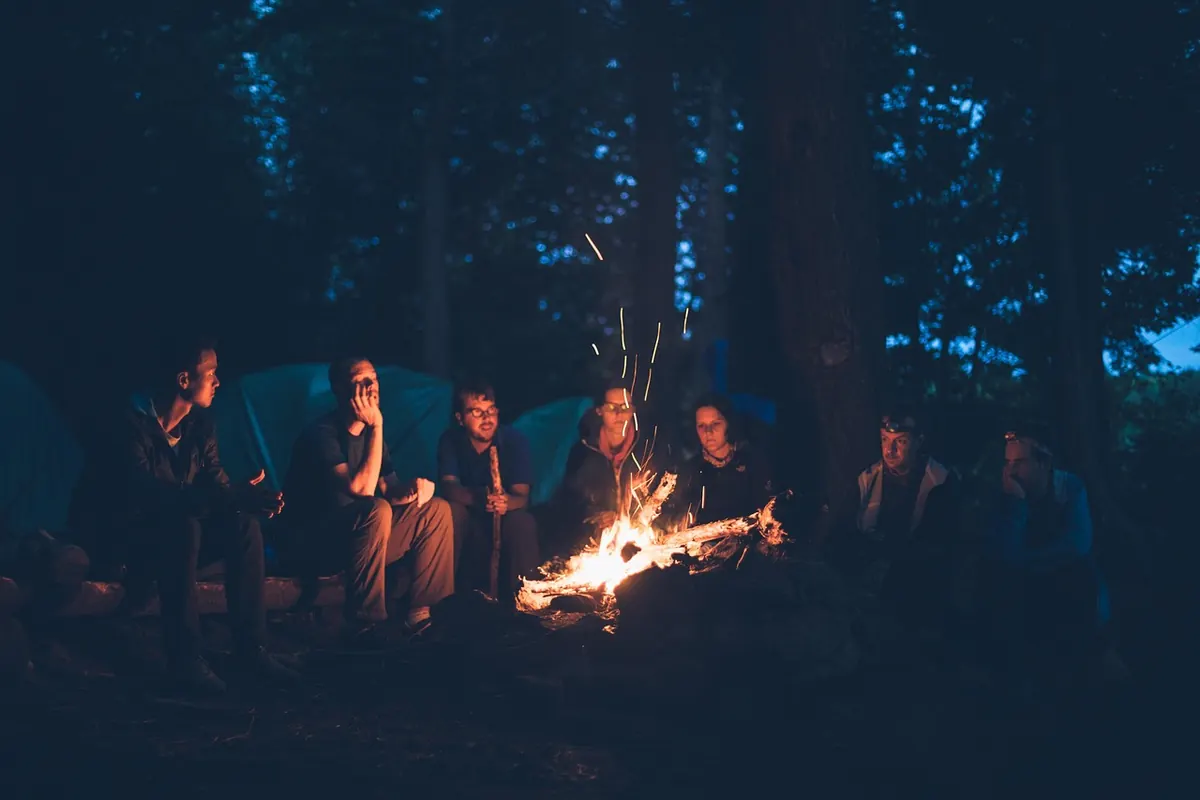
- Smoke Behind the Hedge. Someone smells woodsmoke on a street where no garden is big enough for a fire. They follow the smell. End the scene before it leads anywhere, or let the neighbour's explanation be almost convincing.
- The Wrong Coat. At a railway station, a traveller takes a coat identical to their own from the rack. In the pocket: a photograph, a receipt, a key to a flat in a town they have never visited. Give them one good reason not to hand it in.
- The Allotment Thief. Every October, the best of one plot disappears. Instead of reporting it, the grower leaves a note under the polytunnel addressed to whoever is taking it. Write the reply.
Five Prompts from Custom, Memory and the Uncanny
- The Harvest Swap. In a village that swaps preserves and seeds on the first Sunday of October, one jar comes back unopened, with a note folded inside the lid.
- The Effigy. A community builds and burns a figure standing in for the year's worst event. The person asked to stuff and dress it takes the job far too literally.
- The Night Guest. In a remote house, the custom is to feed a stranger on the coldest night of the year and ask them one question, always something harmless. The youngest person in the house asks the right one.
- The Last Apple. Three siblings, one ancient tree, one apple left after the wasps have had their share. Write the argument. Then write the same scene from the neighbour watching over the fence.
- Winter Country. An older character teaches a younger one a winter skill: salting a path, clearing a gutter, storing root vegetables, tying a particular knot. The teaching holds the story together. What they are preparing the younger one for sits underneath it.
Turning a Prompt into a Scene
Autumn is, above all, a deadline. First frost, the clocks going back, the last bus before the lane floods — any of these will push a character into doing something. Before you write a word, decide what your character must do before the season turns, and keep it small and physical. "Tell her about the letter before the first frost" is a story. "Reconnect with her feelings about autumn" is not.
Give the weather a job
Golden leaves are decoration. Wet leaves on a steep path, a blocked drain, a car that will not start at six in the dark — those change what a character is able to do. If the weather is not making anything harder or more urgent, cut it and start again with the trouble.
Write 300 words before you decide anything
Resist the urge to plan the whole thing. Open on the moment after something has already happened, keep to one location and no more than two people, and stop at 300 words. You will know by then whether the situation has legs. If it does, you will also know whose story it is — which is the question that stalls most drafts.
End on an image, not an explanation
Ghost stories and autumn stories share a habit: they leave the reader with a picture rather than a verdict. A rake left out in the rain. A second cup poured and untouched. A light on in a room that was empty an hour ago. Trust the reader to do the rest of the work.
Autumn Clichés Worth Sidestepping
Seasonal writing drifts towards the same handful of images. None of them is fatal on its own, but they arrive with so much baggage that they do your describing for you. Watch for:
- Crunching leaves used as shorthand for nostalgia
- A mysterious stranger who turns out to be Death, or the season in human form
- "Summer's last breath", "a blanket of gold", "the earth preparing to sleep"
- Someone gazing out of a rain-streaked window while reflecting on their life
- A pumpkin doing any work at all beyond being a pumpkin
- The opening line "Everything changed that autumn"
If one of these is genuinely the best choice for your story, keep it. Otherwise, replace it with something a real person would notice: the smell of a neighbour's bonfire drifting through a closed window, or the way the kitchen clock sounds louder now the evenings are dark.
Pick One and Start Tonight
Choose the prompt that made you pause, set a timer for twenty-five minutes, and write. Stop mid-sentence rather than at a neat ending — you will find it far easier to begin again tomorrow. Keep the whole first draft to a single scene and a single sitting where you can.
Before your second session, write one sentence summarising what the story is about. Not the plot: the thing underneath it. Then decide the ending and write towards it. Short stories rarely need subplots, extra characters or a tidy resolution; they need one moment that changes something, held in place by concrete detail.
Finally, keep a list of the prompts you did not use. The ones that felt almost right in October often become the ones worth writing in January, when the season is no longer doing any of the work for you.