A fable looks easy. An animal, a problem, a lesson. Three hundred words and you're finished. Then you sit down to write one and discover that simple is not the same as straightforward. The idea is rarely the problem. It's the execution: a moral that thuds, a fox who behaves like a middle manager, a plot that buckles under its own cleverness. Here are five mistakes that turn up again and again in fables written for children, and what to do about each of them.
1. The Moral Lands Like a Lecture
Most early drafts end with something like: "And so the tortoise learnt that slow and steady wins the race." That line works — but only because the story has already proved it. Too often the ending does the work the plot should have done. Three paragraphs of explaining, the reader nodding politely, nobody changed.
The fix: decide what your fable is really saying, then hide it. "Bragging makes you careless" is a workable truth; "pride comes before a fall" is a fridge magnet. Build events that make a child feel the first one. Then let your final line simply confirm what they already suspect.
Strong fables often close on a small physical detail instead of an explanation. The hare wakes to an empty finish line. The lion cannot pull the thorn free on his own. Trust the image.
If a moral must be stated, keep it to one sentence. One. Anything longer is a sermon wearing a story's coat.
2. Animals That Behave Like Small Humans
A badger with a mortgage. A fox who "reaches out to stakeholders". You can see the problem immediately. Fable animals work because they carry an echo of what the real creature does — foxes are sly, donkeys are stubborn, crows collect shiny things. Break that link and you have a person in a costume, and children spot it within a paragraph.
The fix: give each character one trait that is both animal and human. A magpie's greed for anything that glitters. A goat's appetite. A cat's refusal to be told anything by anyone. Then push that trait to a comic or painful extreme and let it drive the plot.
You do not need five characters. Two or three is plenty in a short fable, and far easier to keep distinct. If two characters could swap their dialogue without anyone noticing, one of them is surplus.
3. Too Much Plot for the Length
Fables are short by nature. That is the form's great strength: one incident, one turn, one consequence. Writers new to it often cram in a journey, a villain, a transformation and a reconciliation, and the result reads like a summary of a story rather than a story.
The fix: name the single question your fable answers. Will the ant survive the winter? Will the crow reach the water? Everything else gets cut. If a scene does not change the character's situation, it goes.
Keep the setup tight. Two or three sentences should tell us who wants what and why it matters. The middle is the attempt. The end is the consequence. That shape will carry almost any fable you write.
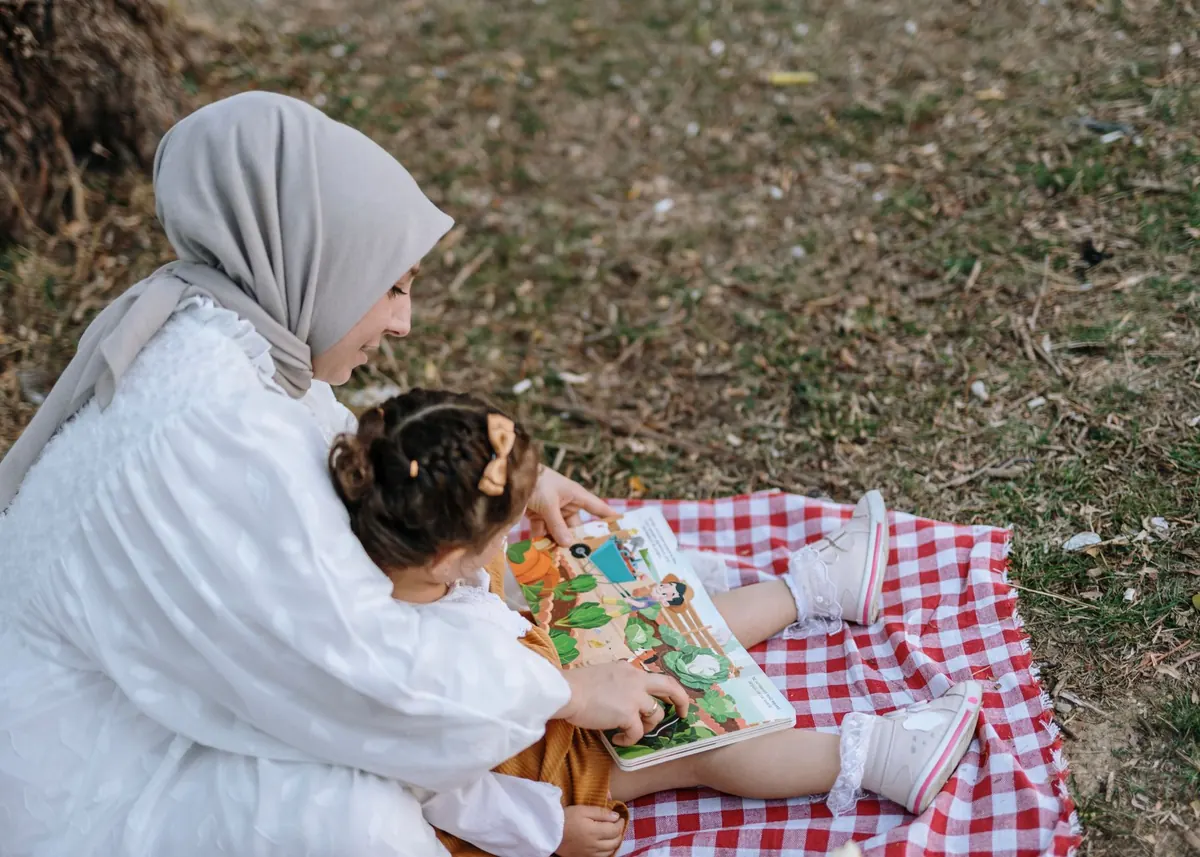
4. Forgetting That the Story Will Be Read Aloud
A fable for children is usually heard before it is read alone. Sentences that look fine on the page can trip the tongue and lose a listener by the second paragraph.
Read your draft aloud. Then read it to a child if you have one nearby. Notice where attention drifts — that is where the prose is working too hard.
Sound, rhythm and repetition
A few things worth checking:
- Sentences stacked too long. Break them. Vary the rhythm so the ear has somewhere to rest.
- Abstract words where a concrete one would do. "Unhappy" beats "discontented" with a four-year-old.
- Dialogue tags that try too hard. "Said" is invisible. "Ex postulated" is a wall.
- Names that are a mouthful. Barnaby Featherstone the Third is hard work in a five-minute bedtime story.
- Missed chances to repeat. A returning phrase — "But the crow still wanted more" — gives a listening child something to hold onto.
5. A Flat, Rushed Ending
The ending is where a fable earns its keep. Rushed endings usually fail in one of two ways: the problem dissolves with no cost to anyone, or the moral is announced before the reader has felt a thing.
The fix: make the consequence visible and earned. If the grasshopper has learnt something, show what the lesson cost him — a cold night, an empty bowl, a humbling request for help. If a character succeeds, make that success follow from a choice made earlier, not from luck arriving on cue.
Then stop. Resist the urge to add a final paragraph explaining what just happened. A well-built fable ends like a door closing: quietly, and with a click.
A Quick Revision Checklist
Before you call a fable finished, run through this list:
- Read it aloud and mark every place your voice stumbles.
- Check that the moral could be guessed from the events alone.
- Cut any scene that does not change the character's situation.
- Give each animal at least one trait that is true to the real creature.
- Make sure the last line lands without explaining itself.
- Trim the length. Most read-aloud fables sit comfortably between 200 and 600 words; longer is not automatically richer.
- Ask a child what the story was about. Their answer tells you whether the moral travelled.
Writing Fables That Last
The best fables feel inevitable. Aesop's donkeys and lions have survived for centuries because they do one thing perfectly: they turn a truth into a picture you cannot forget. Every draft that fails does so for the same reason — the picture is not sharp enough, or the truth gets explained instead of shown.
So work backwards. Start with the truth. Choose one animal that naturally embodies it. Put that animal in a situation where the truth genuinely matters. Then cut until only the essentials are left, say them plainly, and let the reader finish the thought themselves.
That is a skill, not a talent, and it improves with every draft you finish. Write one this week. It need not be long and it need not be perfect — but do give it an ending that clicks shut.
Photo: casper somia / Pexels